Developers And Designers - Part 1
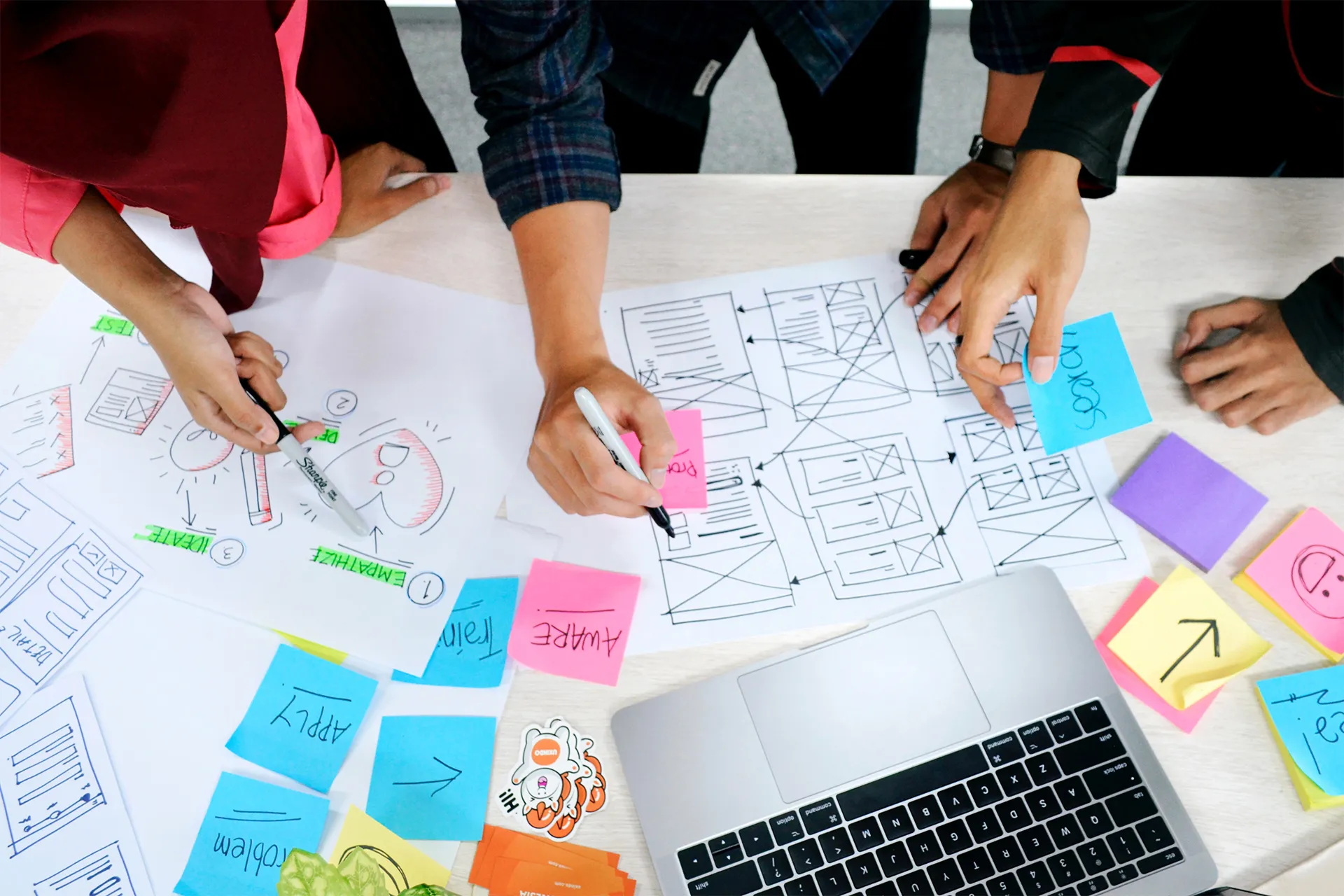
Finding a common language is not a simple task. Developers think in a more abstract way while designers focus on the visual side of the product. Understanding each other’s perspective is the key to building great products.
This is the first part of a three-part series about collaboration between developers and designers.
Problem: Lack Of Understanding
The biggest problem in developer-designer collaboration is the lack of understanding of each other’s work. Developers often don’t understand design decisions, and designers don’t understand technical constraints.
Developers tend to think in terms of data structures, algorithms, and system architecture. They focus on how things work under the hood. Designers, on the other hand, think in terms of user experience, visual hierarchy, and interaction patterns. They focus on how things look and feel.
This disconnect leads to:
- Features that look great in mockups but are technically difficult to implement
- Technical solutions that work perfectly but provide a poor user experience
- Frustration on both sides when expectations don’t match reality
- Longer development cycles due to miscommunication and rework
The problem is not that one side is right and the other is wrong. Both perspectives are valid and necessary. The challenge is finding a way to bridge the gap.
Solutions
Workshops
One of the most effective ways to build understanding is through cross-functional workshops. These can take many forms:
Design thinking workshops help developers understand the design process. By going through exercises like user journey mapping, persona creation, and ideation sessions, developers gain empathy for the user and understand why certain design decisions are made.
Technical workshops help designers understand development constraints. When designers understand concepts like responsive breakpoints, performance budgets, and browser limitations, they can make more informed design decisions.
Collaborative design sessions bring both teams together to work on solutions. When developers and designers sit together and sketch ideas, they naturally share their perspectives and find solutions that work for everyone.
Processes
Beyond workshops, establishing good processes is crucial for ongoing collaboration:
Regular check-ins between developers and designers help catch misunderstandings early. A quick 15-minute sync at the start of a sprint can save hours of rework later.
Design reviews with developers ensure that designs are technically feasible before they’re finalized. This is not about developers saying “no” to designs, but about finding the best way to implement them.
Developer involvement in user research helps developers understand why features are being built. When developers see real users struggling with a product, they become more invested in the user experience.
Shared vocabulary is essential. Both teams should agree on terminology. When a designer says “card” and a developer says “card,” they should mean the same thing. Creating a shared glossary or component library helps enormously.
Closing Notes
The gap between developers and designers is real, but it’s not insurmountable. The first step is acknowledging that both perspectives are valuable and that collaboration requires effort from both sides.
In Part 2, we’ll dive into the specific problem of chaos in planning and how to structure the handoff process between design and development.
Practice what you just learned in our browser editor with AI assistance.
Try Demo Editor
Creator of BigDevSoon
Full-stack developer and educator passionate about helping developers build real-world skills through hands-on projects. Creator of BigDevSoon, a vibe coding platform with 21 projects, 100 coding challenges, 40+ practice problems, and Merlin AI.


Related Posts

Developers And Designers - Part 2
Communication is key when planning new features. Without a structured process, the handoff between design and development can become chaotic and lead to misunderstandings.
Developers And Designers - Part 3
A Design System is a place where everything makes sense. It bridges the gap between design and development by providing a shared language, components, and guidelines.